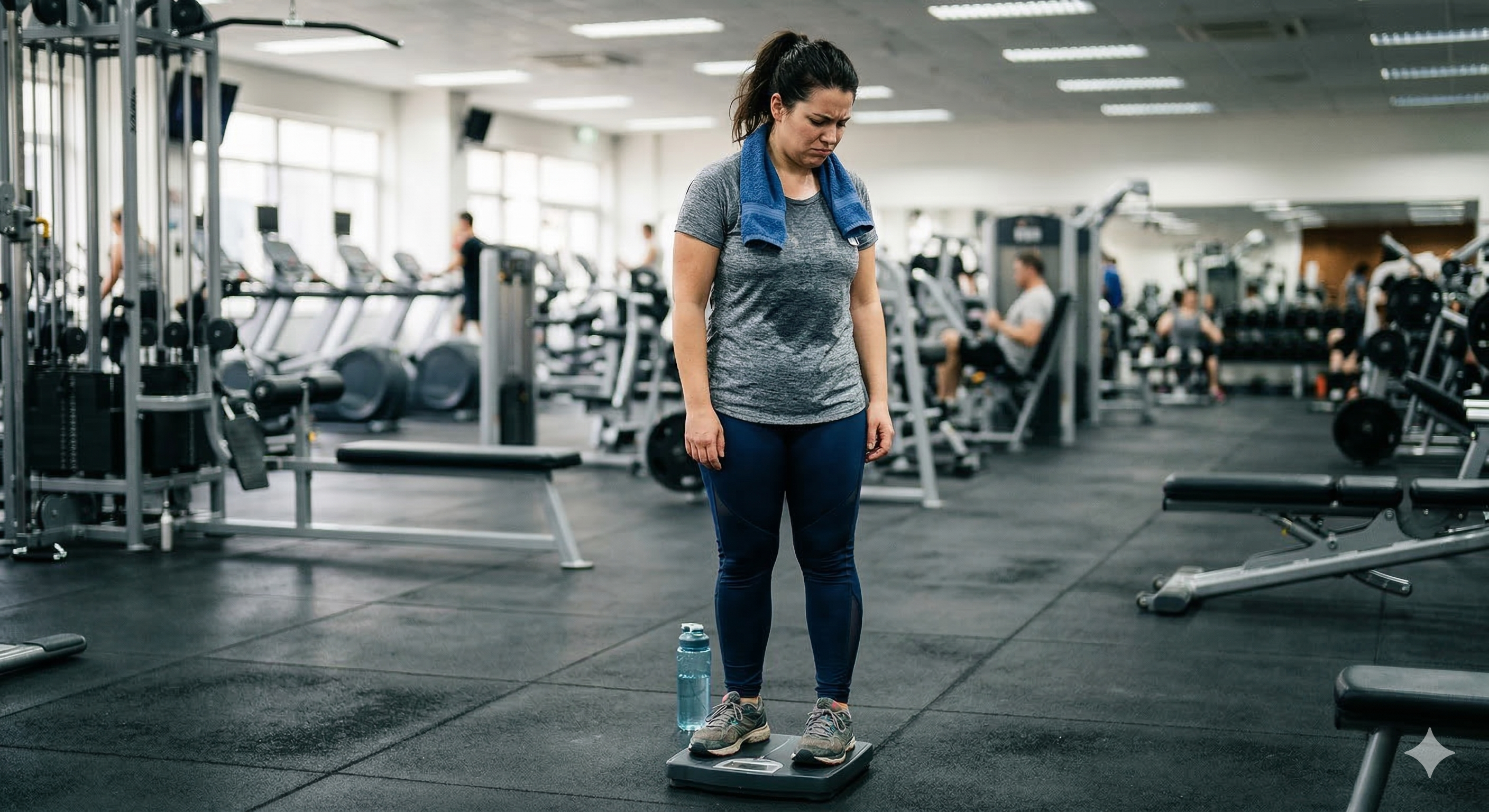

Many people start exercising regularly but still wonder, “Why am I not losing weight even after exercise?” This is one of the most common frustrations in a weight-loss journey.
You may be going to the gym, walking daily, or doing home workouts, yet the number on the scale does not change. The truth is that weight loss depends on many factors besides exercise, including diet, sleep, hormones, and lifestyle habits.
In this article, we will explore the 10 hidden reasons why exercise alone may not help you lose weight, and what you can do to fix the problem.
Understanding How Weight Loss Actually Works
Before discussing the reasons, it is important to understand the basic principle of weight loss.
Weight loss happens when your body burns more calories than it consumes. This is known as a calorie deficit. If you exercise but still consume too many calories, your body may not lose weight.
Additionally, factors such as metabolism, hormones, stress levels, and sleep patterns play an important role in how your body stores or burns fat.
10 Reasons Why You Are Not Losing Weight Even After Exercise

1. You Are Eating More Calories Than You Realize
One of the most common mistakes people make is overestimating how many calories exercise burns.
For example, a 30-minute workout may burn around 200–300 calories, but a sugary drink or snack can easily replace those calories.
What You Should Do
- Track your food intake
- Focus on whole foods
- Reduce processed sugar and junk food
Healthy nutrition plays a major role in overall body health. For example, certain foods may even affect digestion and cause discomfort. You can learn more in “Can Constipation Cause Fever? How to Identify and Address It.”
2. You Are Not Getting Enough Sleep
Sleep is extremely important for metabolism and hormone balance.
When you sleep less than 6–7 hours, your body increases the hunger hormone (ghrelin) and reduces the fullness hormone (leptin).
This can lead to increased cravings and overeating.
Poor sleep can also cause digestive issues. If you want to understand the connection better, check “Lack of Sleep Can Cause Nausea: How to Prevent It.”
3. Your Body Is Gaining Muscle
If you are doing strength training, your weight may not decrease immediately because muscle weighs more than fat.
This means you may be losing fat but gaining muscle at the same time, which keeps your weight stable.
Instead of only checking the scale, focus on:
- Body measurements
- How your clothes fit
- Body fat percentage
4. Your Workouts Are Not Intense Enough
Doing the same workout every day can cause your body to adapt. When this happens, your body burns fewer calories.
Solution
Try to include:
- High-Intensity Interval Training (HIIT)
- Strength training
- Cardio workouts
Changing your workout routine helps your metabolism stay active.
5. You Are Experiencing High Stress
Stress can increase the hormone cortisol, which is associated with fat storage, especially around the abdomen.
Stress may also lead to emotional eating and unhealthy food choices.
Practicing stress-reducing activities like meditation, yoga, or walking in nature can support weight loss.
Mental health also affects physical health. If stress becomes severe, it may contribute to emotional conditions such as Silent Panic Attacks: Understanding and Coping.
6. Your Metabolism Is Slow
Some people naturally have a slower metabolism, which means their body burns calories at a slower rate.
Factors affecting metabolism include:
- Age
- Genetics
- Hormonal imbalance
- Lack of muscle mass
Increasing protein intake and strength training can help boost metabolism naturally.
7. Hormonal Imbalance
Hormones play a critical role in weight management. Conditions like:
- Thyroid disorders
- Insulin resistance
- Menopause
can make weight loss more difficult.
Hormonal changes during midlife can also affect weight. You can learn more in “Menopause and Joint Pain: Causes and Treatments.”
8. You Are Sitting Too Much During the Day
Even if you exercise for one hour daily, sitting for the rest of the day can reduce your total calorie burn.
This is called sedentary lifestyle behavior.
Tips
- Walk every hour
- Use stairs instead of elevators
- Try standing desks
Small movements throughout the day help increase daily calorie expenditure.
9. You Are Not Drinking Enough Water
Hydration plays a big role in digestion and metabolism.
Water helps:
- Control appetite
- Improve metabolism
- Reduce overeating
Drinking water before meals may help reduce calorie intake and support weight loss.
10. Your Diet Lacks Nutrients
A diet that lacks important nutrients like protein, fiber, and vitamins can slow down weight loss.
For example, protein supports muscle growth and helps you stay full longer.
Nutrients such as collagen and vitamins are also essential for body tissues and overall health. You can explore more in “Collagen Benefits for Men: A Comprehensive Guide.”
Healthy Habits That Support Weight Loss
If exercise alone is not helping you lose weight, consider improving these lifestyle habits:
Balanced Diet
Eat more:
- Fruits
- Vegetables
- Whole grains
- Lean protein
Regular Sleep
Aim for 7–9 hours of sleep every night.
Consistent Exercise
Combine:
- Cardio workouts
- Strength training
- Flexibility exercises
Stress Management
Practice relaxation techniques such as meditation and breathing exercises.
When Should You See a Doctor?
If you are exercising regularly, eating healthy, and still unable to lose weight, it may be helpful to consult a healthcare professional.
A doctor may evaluate:
- Hormonal issues
- Thyroid function
- Metabolic disorders
- Nutritional deficiencies
Proper medical guidance can help identify underlying problems affecting weight loss.
Conclusion
If you often ask “Why am I not losing weight even after exercise?”, remember that exercise is only one part of the weight-loss equation.
Factors like diet, sleep, stress, metabolism, and hormones play an equally important role.
By improving your lifestyle habits, maintaining a balanced diet, and staying consistent with workouts, you can achieve sustainable weight loss and better overall health.
Frequently Asked Questions
Why am I exercising every day but not losing weight?
You may be consuming more calories than you burn, experiencing hormonal imbalance, or gaining muscle mass.
How long does it take to see weight loss results?
Most people start noticing visible changes within 4–8 weeks with consistent exercise and a healthy diet.
Can stress stop weight loss?
Yes. High stress levels increase cortisol, which can lead to fat storage and increased appetite.
Is diet more important than exercise for weight loss?
Both are important, but diet plays a bigger role, as calorie intake strongly affects body weight.
Author
Monali Singh is a health content researcher who writes about wellness, dental care, and nutrition. She focuses on simplifying complex health topics for everyday readers.