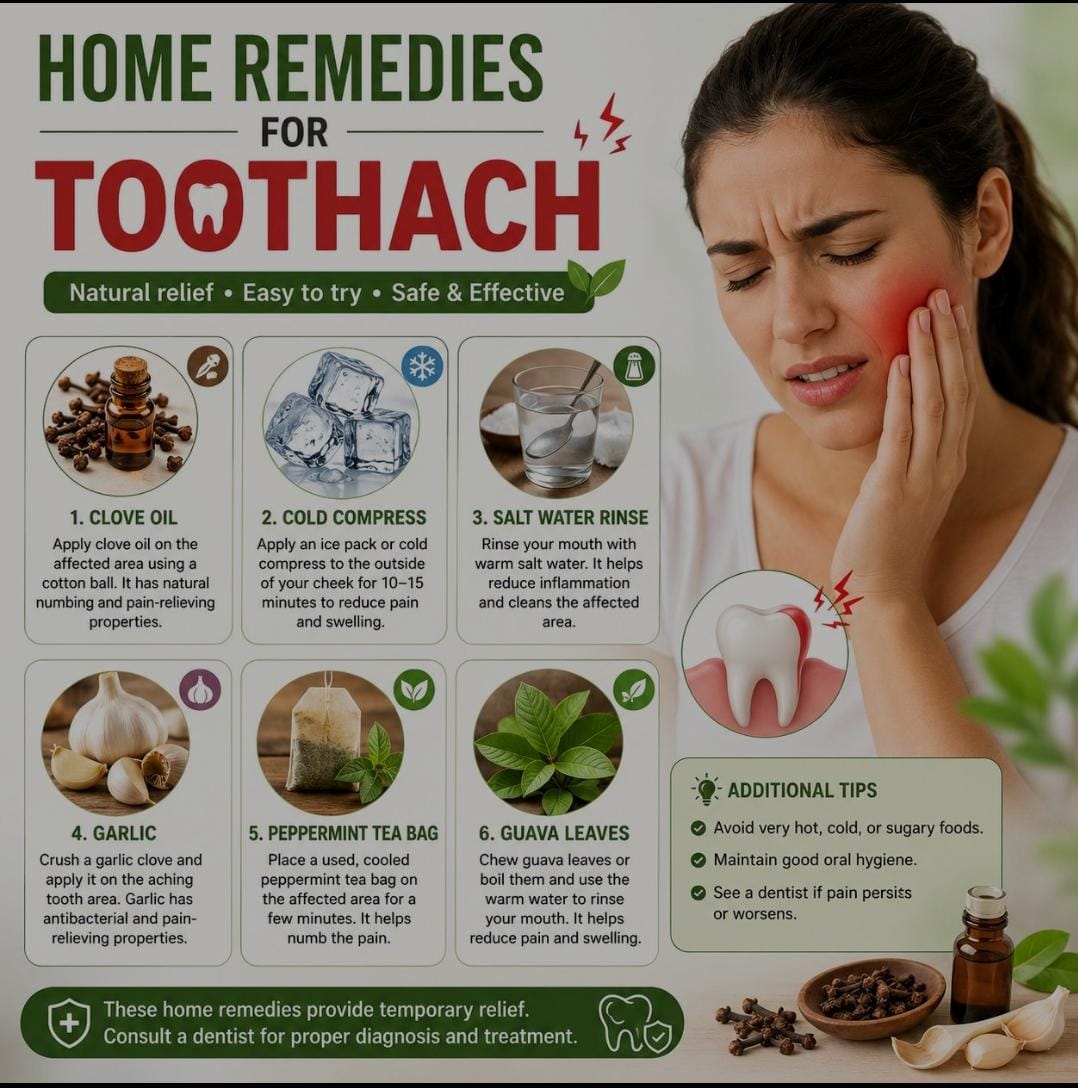

A toothache can start as a mild irritation and quickly become difficult to ignore. Even a simple cup of tea, a cold drink, or a meal can become uncomfortable when a tooth is sensitive or painful. Sometimes the pain appears suddenly, while in other cases it gradually gets worse over several days.
Because dental appointments are not always immediately available, many people look for home remedies for toothache that can provide some comfort in the meantime. Simple steps such as rinsing the mouth with warm salt water, using a cold compress, keeping the mouth clean, and avoiding foods that trigger sensitivity may help you manage the discomfort.
However, home care should be viewed as a way to manage symptoms while you arrange appropriate dental care. The right treatment depends on what is actually causing the toothache.
This guide explains the common causes of toothache, practical home measures that may help, what you should avoid, and when tooth pain needs professional attention.
What Causes Toothache and Dental Pain?
Toothache is not a condition by itself. It is usually a symptom of another problem affecting the tooth, gums, or surrounding tissues.
Understanding the possible cause can help you decide what type of care may be appropriate.
Tooth Decay
Tooth decay is one of the most common causes of tooth pain. It happens when acids produced by bacteria gradually damage the tooth.
In the early stages, decay may not cause noticeable symptoms. As it progresses, the tooth can become sensitive to hot, cold, sweet, or acidic foods and drinks.
If the decay becomes more advanced, the pain may become stronger or occur even when you are not eating.
Home care may make the tooth more comfortable for a while, but the damaged part of the tooth needs proper dental treatment.
Tooth Sensitivity
Tooth sensitivity can cause a sudden, sharp sensation when you eat or drink something hot, cold, sweet, or acidic.
It can be related to enamel wear, gum recession, exposed tooth surfaces, or other dental issues.
If sensitivity happens frequently or becomes stronger over time, it is worth having the cause checked instead of simply avoiding the foods that trigger it.
Gum Problems
Your gums can also be responsible for dental pain. Irritated or inflamed gums may feel sore, swollen, or tender around the teeth.
Poor oral hygiene can allow plaque to build up around the teeth and gumline. Gum problems may also cause bleeding during brushing or flossing.
Gentle oral hygiene can help keep the area clean, but persistent gum pain or swelling should be professionally evaluated.
Cracked, Chipped, or Damaged Teeth
A cracked or damaged tooth can cause pain when you bite down or chew. Some people may also experience sensitivity to hot or cold foods.
A damaged tooth generally needs professional assessment because the appropriate treatment depends on the location and extent of the damage.
Until then, avoid chewing hard foods on the affected side.
Dental Infection
A dental infection can cause significant tooth pain and may be accompanied by swelling, tenderness, fever, or an unpleasant taste in the mouth.
When an infection is suspected, home remedies should not be used as the main treatment. Professional dental care may be necessary.
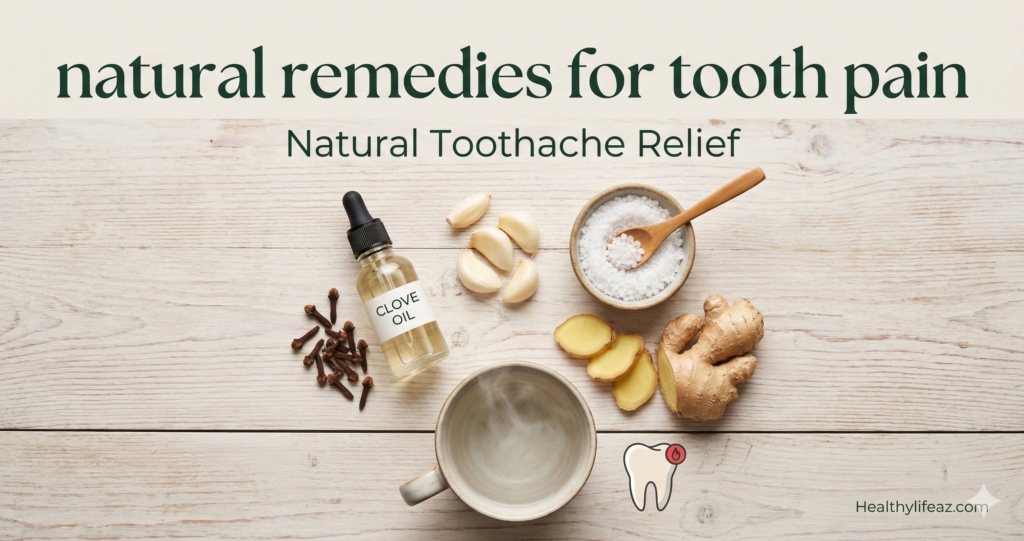
What Are the Best Home Remedies for Toothache?
There is no single best home remedy for toothache because the cause of pain can vary.
If you need to manage the discomfort while waiting for dental care, focus on simple measures that are gentle on your teeth and gums.
Try a Warm Salt-Water Rinse
A warm salt-water rinse can be useful when the gums around the painful tooth feel irritated or sore.
To use it:
- Add a small amount of salt to a glass of comfortably warm water.
- Gently move the water around your mouth for a short time.
- Spit it out rather than swallowing it.
- Use comfortably warm water, not water that is hot enough to burn your mouth.
This can help keep the mouth cleaner and may soothe irritated tissues around the tooth and gums.
Use a Cold Compress for Swelling or Soreness
If the toothache is accompanied by soreness or swelling around the cheek, a cold compress may provide temporary comfort.
To use a cold compress:
- Wrap a cold pack in a clean cloth.
- Hold it against the outside of your cheek.
- Keep it there for a short period, then remove it.
- Do not place ice directly against your skin.
This may help reduce the sensation of discomfort and can be useful when the cheek feels sore.
If swelling continues to increase or becomes significant, seek professional care rather than repeatedly relying on cold compresses.
Keep the Painful Area Clean
It may be tempting to stop brushing around a painful tooth, but leaving plaque and food particles in the area can add to irritation.
Continue brushing gently with a soft toothbrush. Clean between the teeth carefully as well.
If food is stuck between the teeth, gently cleaning the area may help remove the source of irritation.
Avoid aggressive brushing or repeatedly pressing the toothbrush against the painful tooth.
Avoid Foods That Trigger the Pain
Pay attention to which foods or drinks make your tooth hurt.
If cold, hot, sweet, or acidic foods trigger the pain, avoid them for the time being.
You can also:
- Choose softer foods that require less chewing.
- Eat at a comfortable temperature.
- Chew on the opposite side of your mouth.
- Avoid repeatedly testing the painful tooth with different foods.
These small changes can make eating more comfortable while you arrange appropriate care.
Keep Your Head Slightly Elevated While Resting
Some people notice that tooth pain feels more noticeable when lying completely flat.
If this happens, try resting with your head slightly elevated.
This is simply a comfort measure. If tooth pain is repeatedly disturbing your sleep, the underlying cause should be assessed.
Can Home Remedies Cure a Toothache?
Home remedies can help make toothache more manageable, but they do not address every possible cause of dental pain.
For example, a home rinse cannot repair a cavity, and a cold compress cannot fix a cracked tooth.
This is why recurring or worsening tooth pain should not be ignored even if it improves temporarily after home care.
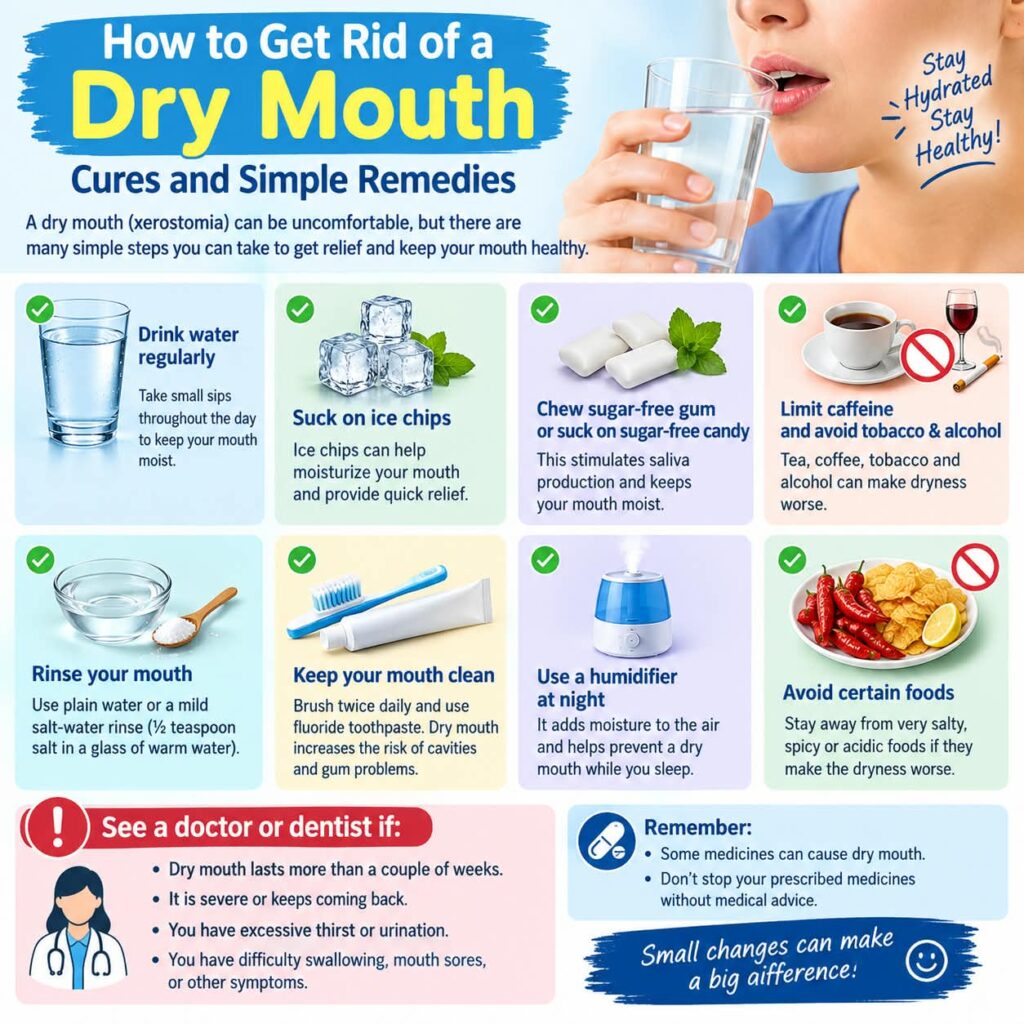
Can Home Remedies Help With Tooth Decay Pain?
If tooth decay is causing discomfort, simple home care may help you get through the period before dental treatment.
Keep the area clean, brush gently, rinse with warm salt water, and avoid foods or drinks that trigger sensitivity.
Choosing softer foods and chewing on the opposite side can also make meals more comfortable.
These steps can reduce irritation, but they do not remove the decay. If a cavity is responsible for the pain, professional dental treatment may be needed.
Why Does Tooth Decay Cause Pain?
As tooth decay progresses, it can affect deeper parts of the tooth.
This may make the tooth increasingly sensitive and can eventually lead to more persistent discomfort.
Some people first notice pain only when eating something sweet or drinking something cold. If the pain becomes more frequent or starts happening without an obvious trigger, the tooth should be checked.
Can Home Remedies Cure a Tooth Infection?
A suspected dental infection needs more attention than ordinary tooth sensitivity.
A warm salt-water rinse may help keep the mouth clean, and a cold compress can provide some comfort if there is external swelling or soreness.
However, these measures should not replace professional assessment when an infection is suspected.
What Are Possible Signs of a Dental Infection?
Possible warning signs can include:
- Increasing tooth pain
- Swelling around the tooth, gum, cheek, or jaw
- Fever or feeling generally unwell
- Tenderness around the affected area
- An unpleasant taste or drainage in the mouth
- Difficulty opening the mouth normally
If these symptoms appear, especially if they are getting worse, seek professional dental or medical care.
What Is an Instant Home Remedy for Toothache?
When tooth pain suddenly appears, it is understandable to search for an instant home remedy for toothache.
Unfortunately, there is no guaranteed homemade treatment that will permanently stop every type of tooth pain immediately.
For short-term comfort, start with the simplest measures: rinse gently with warm salt water, use a cold compress if the cheek is sore or swollen, keep the mouth clean, and avoid anything that triggers the pain.
If the discomfort continues or repeatedly returns, arrange dental care rather than continuing to search for stronger homemade remedies.
Why Doesn’t an Instant Remedy Permanently Stop Tooth Pain?
Toothache can come from different problems, including decay, sensitivity, inflammation, damage, or infection.
Because these problems require different forms of treatment, there is no single homemade remedy that can permanently resolve all types of tooth pain.
What Natural Ways Can Help Relieve Toothache?
Many people prefer natural ways to relieve toothache before seeking professional care.
The most practical options are simple measures such as warm salt-water rinsing, a cold compress, gentle oral cleaning, and avoiding foods that trigger pain.
It is also important to remember that “natural” does not automatically mean safe or effective.
Be Careful With Household Ingredients
There are many homemade remedies suggested online for dental pain. Some involve applying strong substances directly to the tooth or gums.
This can irritate the sensitive tissues inside the mouth and may make the discomfort worse.
Instead of experimenting with harsh household ingredients, stick with gentle supportive measures and seek professional care if the pain persists.
Can Home Remedies Help With Toothache Infection?
If by “toothache infection” you mean pain caused by a possible dental infection, home care should only be considered supportive.
A warm salt-water rinse may help with basic oral cleanliness, while a cold compress may provide some comfort from external soreness or swelling.
If you have increasing pain, swelling, fever, an unpleasant taste, or other concerning symptoms, do not delay professional care while trying different homemade remedies.
What Should You Avoid When You Have a Toothache?
Knowing what not to do can be just as important as knowing which home remedies may help.
Avoid Extremely Hot or Cold Foods
If your tooth is sensitive, very hot or cold foods and drinks can trigger sharp pain.
Until the tooth is assessed, choose foods and drinks at a comfortable temperature.
Avoid Excessively Sugary Foods
Sugary foods may trigger pain when a tooth is affected by decay or sensitivity.
Limiting them can reduce some pain triggers and is also beneficial for general oral health.
Do Not Keep Poking the Painful Tooth
Repeatedly touching, pressing, or poking a painful tooth can irritate the area further.
Try to leave the tooth alone and maintain gentle oral hygiene instead.
Do Not Put Irritating Substances Directly on the Tooth
Some homemade remedies recommend placing strong substances directly onto a painful tooth or gum.
These substances may irritate the tissues inside the mouth and potentially make the situation worse.
A better approach is to use gentle measures such as rinsing and a cold compress while arranging appropriate care.
Do Not Ignore Recurring Pain
If tooth pain disappears and then comes back, do not assume that the problem has been permanently resolved.
Recurring pain can indicate that the underlying dental issue is still present.
How Can You Prevent Toothache in the Future?
While not every dental problem can be prevented, good daily oral care can lower the risk of many common causes of toothache.
Brush your teeth regularly using fluoride toothpaste and clean between your teeth to remove food particles and plaque.
Try to limit frequent sugary snacks and drinks, and pay attention to changes such as sensitivity, bleeding gums, or recurring discomfort.
Regular dental checkups can also help identify problems before they become more painful.
Good oral care is much more effective for prevention than waiting for tooth pain to start.
When Should You See a Dentist for Toothache?
Not every toothache requires emergency treatment, but persistent or worsening pain should not be ignored.
You should consider professional dental care if:
- Tooth pain continues or repeatedly returns
- Pain is interfering with eating or sleeping
- You have noticeable swelling
- Your gums are persistently painful or swollen
- You have a fever or feel unwell
- You notice an unpleasant taste or drainage
- A tooth has cracked, chipped, or been injured
If you are unsure about the cause or severity of your symptoms, speak with a dental or healthcare professional for personalized guidance.
When Is Toothache an Emergency?
Some symptoms need more urgent attention than an ordinary mild toothache.
Significant swelling around the mouth, face, or jaw can be concerning, particularly when it is getting worse.
Difficulty breathing or swallowing is especially important and requires urgent medical attention.
Severe pain following an injury, rapidly increasing swelling, or feeling seriously unwell along with dental symptoms should also not be managed solely with home remedies.
When symptoms appear severe or unusual, seek appropriate medical or dental care rather than waiting for the pain to settle on its own.
Read More:
How Many Teeth Do Humans Have?
Why Do My Gums Hurt in One Spot?
Frequently Asked Questions
What is the best home remedy for toothache?
There is no single remedy that works best for every toothache. A warm salt-water rinse, cold compress, gentle oral hygiene, and avoiding pain triggers may provide temporary comfort.
What is the quickest way to relieve tooth pain at home?
For short-term comfort, try a gentle warm salt-water rinse or a cold compress against the outside of the cheek if there is soreness or swelling. Avoid foods and drinks that trigger the pain.
If the pain is severe or keeps returning, have the cause professionally evaluated.
Can salt water stop a toothache?
Salt-water rinsing may soothe irritated gums and help keep the mouth clean, but it does not treat the underlying cause of toothache.
Can a toothache go away on its own?
Tooth pain can sometimes improve on its own or disappear for a while, but that does not always mean the underlying problem has been resolved.
If the pain returns or continues, have the tooth assessed.
Can home remedies cure a tooth infection?
No. Home remedies may provide some comfort but cannot reliably eliminate a dental infection.
A suspected infection should be professionally evaluated, particularly if there is swelling, fever, or worsening pain.
What can I do for tooth decay pain at home?
Keep the area clean, brush gently, rinse with warm salt water, and avoid foods that trigger sensitivity.
Softer foods and chewing on the opposite side may also make eating more comfortable until you receive dental care.
How can I get instant relief from toothache?
There is no guaranteed instant homemade cure. A warm salt-water rinse, cold compress, gentle cleaning, and avoiding pain triggers may help you feel more comfortable.
If the pain is persistent or severe, seek professional advice.
Is it safe to put household ingredients directly on a painful tooth?
It is better to avoid putting strong or irritating household substances directly on a tooth or gum. They may irritate the tissues and potentially make the problem worse.
Can a toothache cause swelling?
Yes. Some dental problems, particularly infections, can cause swelling around the tooth, gums, cheek, or jaw.
Swelling combined with increasing pain or fever should be professionally assessed.
How long can I rely on home remedies for toothache?
Home remedies are best used as short-term supportive measures while you arrange appropriate care.
If pain continues, returns frequently, or is accompanied by swelling, fever, or other concerning symptoms, seek professional dental care.
Conclusion
Home remedies for toothache can be useful when you need some comfort while arranging appropriate dental care. Simple measures such as warm salt-water rinsing, a cold compress, gentle oral hygiene, and avoiding foods that trigger pain can make the symptoms easier to manage.
The important thing is to pay attention to the pattern of the pain. If it keeps returning, becomes stronger, or is accompanied by swelling, fever, or other concerning symptoms, it should not simply be managed with home remedies.
Good oral hygiene and regular dental care can also help prevent many common causes of toothache and catch problems before they become more difficult to manage.
Author
Monali Singh is a health content researcher who writes about wellness, dental care, and nutrition. She focuses on simplifying complex health topics for everyday readers.