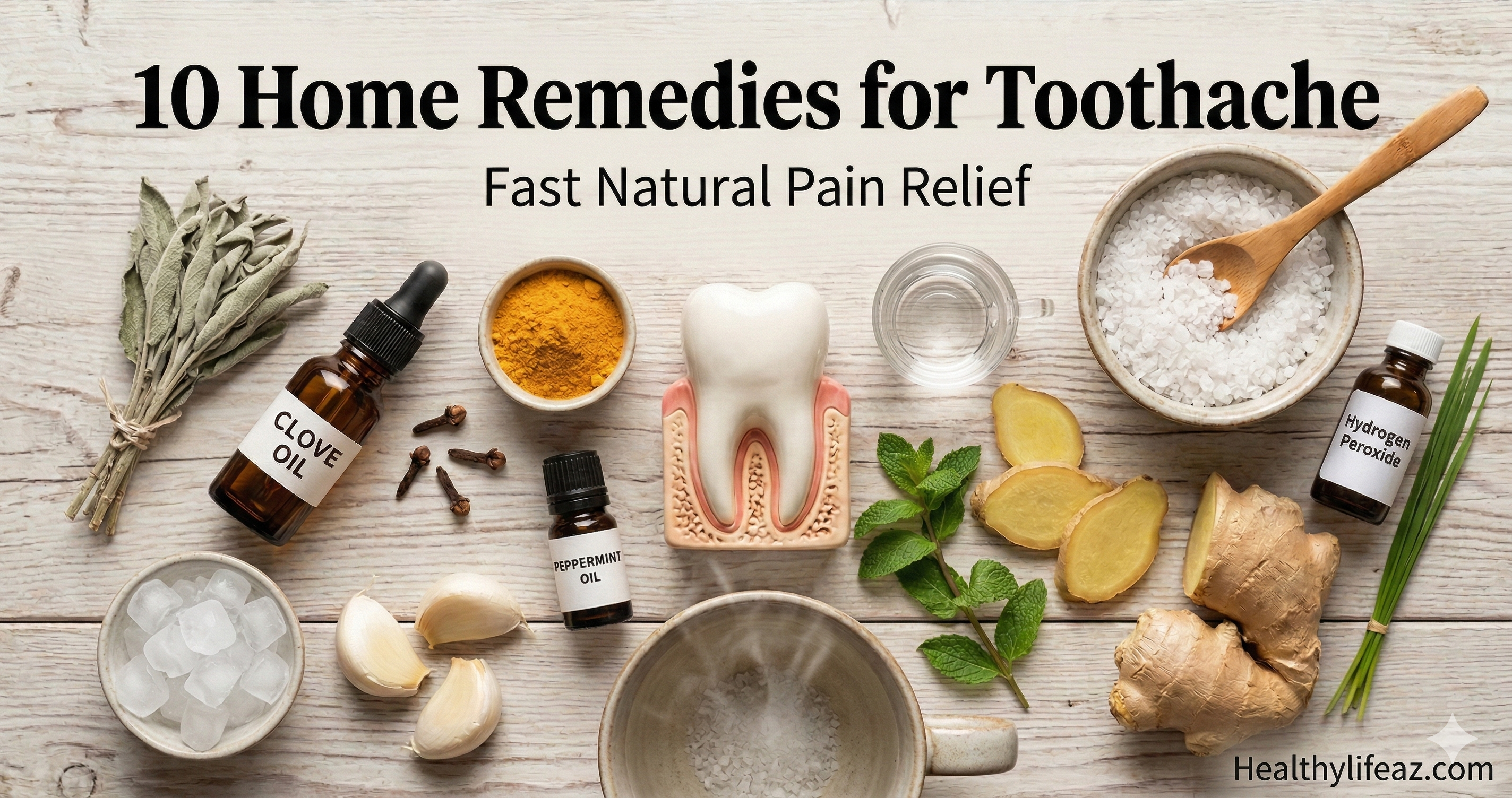

Tooth pain can occur suddenly and make daily activities like eating, drinking, and sleeping very uncomfortable. A toothache may result from cavities, gum infections, tooth sensitivity, or food stuck between the teeth. While visiting a dentist is the best solution for serious dental problems, several home remedies for tooth pain can help reduce discomfort temporarily.
Natural remedies have been used for centuries to relieve pain and fight oral bacteria. Ingredients such as clove oil, garlic, saltwater, and ice compresses can provide quick relief until you are able to see a dental professional.
In this article, we will explore the most effective home remedies for tooth pain, how they work, and when you should consult a dentist.
What Causes Tooth Pain?
Understanding the cause of your toothache is important before trying any remedy. Tooth pain may occur due to several reasons.
Tooth Decay
Tooth decay is one of the most common causes of tooth pain. It happens when bacteria produce acids that damage the enamel and create cavities.
Gum Infection
Inflamed or infected gums can lead to pain, swelling, and bleeding around the teeth.
Tooth Sensitivity
Sensitive teeth may react painfully to hot, cold, or sweet foods and drinks.
Cracked Tooth
A cracked or damaged tooth can expose nerves and cause sharp pain while chewing.
Food Stuck Between Teeth
Food particles trapped between teeth may irritate gums and create pressure.
Knowing the cause can help you choose the right tooth pain relief at-home remedy.
10 Best Home Remedies for Tooth Pain
These natural methods can help reduce discomfort until you receive professional dental care.
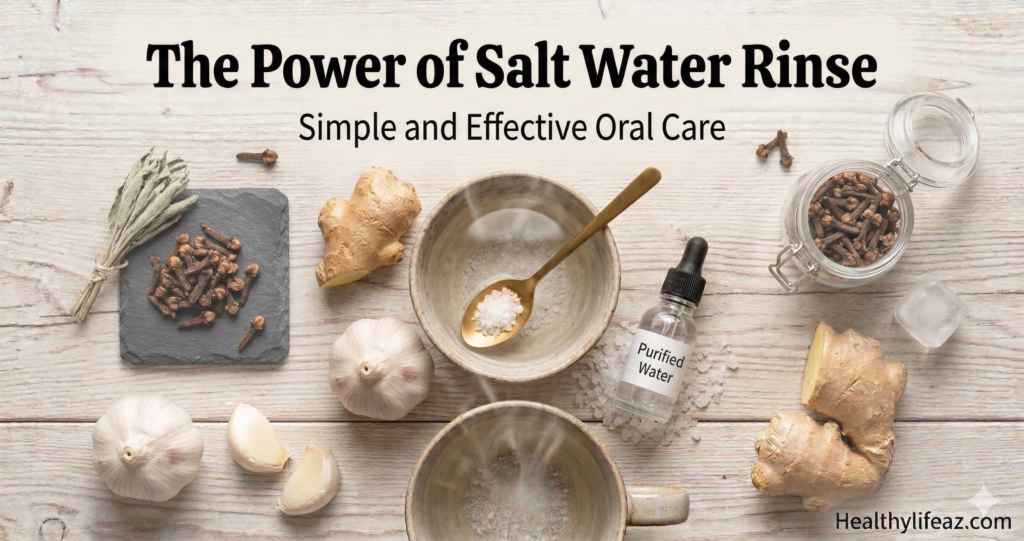
1. Salt Water Rinse
Saltwater is one of the easiest and most effective home remedies for tooth pain. It works as a natural disinfectant and helps reduce bacteria.
How to use:
- Mix half a teaspoon of salt in warm water
- Rinse your mouth for about 30 seconds
- Spit it out and repeat twice daily
Saltwater helps reduce inflammation and keeps the affected area clean.
2. Clove Oil
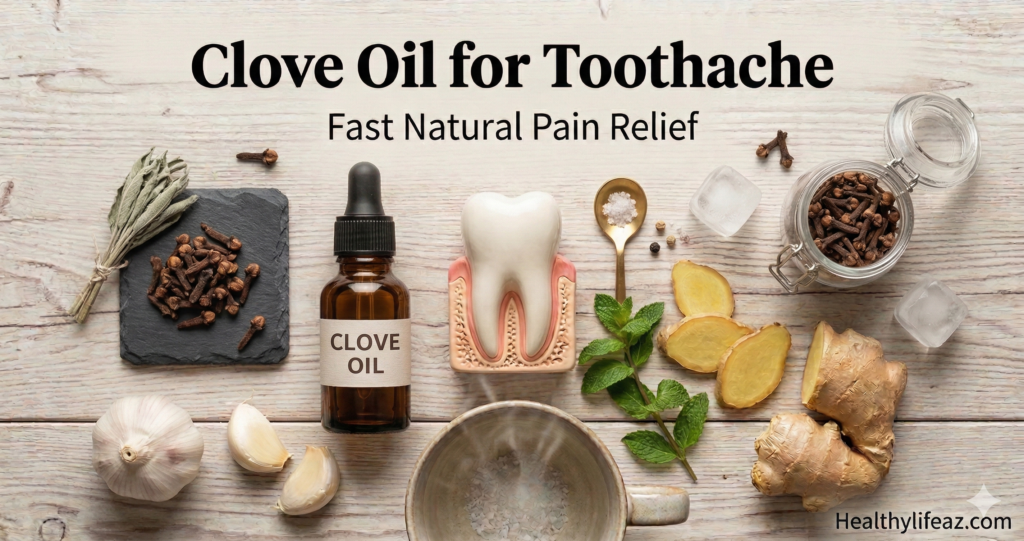
Clove oil is widely known for its pain-relieving properties. It contains eugenol, a natural compound that acts as an anesthetic and antibacterial agent.
How to use:
- Place a few drops of clove oil on a cotton ball
- Gently apply it to the painful tooth
Clove oil is considered one of the fastest natural remedies for tooth pain.
3. Ice Compress
Applying ice to the cheek near the painful tooth can help numb the area and reduce swelling.
How to use:
- Wrap ice cubes in a cloth
- Hold it against your cheek for 15 minutes
This method is helpful when pain is caused by inflammation.
4. Garlic
Garlic has powerful antibacterial and anti-inflammatory properties. It has been used as a traditional remedy for tooth infections.
How to use:
- Crush a fresh garlic clove
- Apply it gently on the painful tooth
Garlic may help reduce bacteria that cause tooth pain.
5. Hydrogen Peroxide Rinse
Hydrogen peroxide can help kill harmful bacteria and reduce gum inflammation.
How to use:
- Mix equal parts hydrogen peroxide and water
- Rinse your mouth briefly and spit it out
Do not swallow the solution.
6. Peppermint Tea Bags
Peppermint contains natural compounds that have mild numbing effects.
How to use:
- Place a cooled peppermint tea bag on the affected tooth
- Leave it there for a few minutes
This may help reduce irritation and discomfort.
7. Guava Leaves
Guava leaves have anti-inflammatory and antimicrobial properties.
You can:
- chew fresh guava leaves
or - Boil them in water and use the liquid as a mouth rinse.
This remedy may help reduce swelling and bacterial growth.
8. Vanilla Extract
Vanilla extract contains alcohol that may help numb pain.
How to use:
- Apply a small amount using a cotton swab
- Place it gently on the painful tooth
9. Onion
Onions contain natural antibacterial compounds that can fight oral bacteria.
Chewing raw onion for a few minutes may help reduce tooth infection and discomfort.
10. Wheatgrass Juice
Wheatgrass acts as a natural mouthwash due to its antibacterial properties.
Rinsing with wheatgrass juice can help control bacteria and improve oral hygiene.
When Should You See a Dentist?
Although these tooth-pain home remedies may provide temporary relief, professional dental care is necessary if you experience the following:
- tooth pain lasting more than two days
- swelling around the gums or face
- fever or signs of infection
- severe pain while chewing
Ignoring dental problems can lead to serious complications.
Tips to Prevent Tooth Pain
Maintaining good oral hygiene can significantly reduce the risk of toothaches.
Follow these simple habits:
- brush your teeth twice daily
- floss regularly
- limit sugary foods and drinks
- drink plenty of water
- visit a dentist for regular checkups
These steps can help maintain strong and healthy teeth.
Conclusion
Tooth pain can be extremely uncomfortable and may interfere with daily activities. Fortunately, several home remedies for tooth pain, such as saltwater rinse, clove oil, garlic, and ice compress, can help reduce discomfort naturally.
These remedies work by fighting bacteria, reducing inflammation, and temporarily numbing the painful area. However, they should not replace professional dental treatment. If tooth pain persists or becomes severe, it is important to seek medical advice from a qualified dentist.
Taking care of your oral hygiene and maintaining regular dental checkups can help prevent many dental problems in the future.
Frequently Asked Questions
What is the fastest home remedy for tooth pain?
Clove oil and a saltwater rinse are among the fastest remedies that help reduce tooth pain naturally.
Can garlic stop tooth pain?
Garlic has antibacterial properties that may help reduce infection and relieve toothache temporarily.
Is ice good for tooth pain?
Yes, applying an ice compress can numb the painful area and reduce swelling.
Can home remedies cure cavities?
No. Home remedies can only provide temporary relief. Cavities require treatment from a dentist.
Author
Monali Singh is a health content researcher who writes about wellness, dental care, and nutrition. She focuses on simplifying complex health topics for everyday readers.