

Lack Of Sleep Can Cause Nausea How To Prevent From It

Lack Of Sleep Can Cause Nausea

Lack Of Sleep Can Cause Nausea the next day, you’re not the only one. Not getting enough sleep can make you feel sick, and this is something that many people don’t realize. We often think of nausea as something that happens when our stomach is upset or when we have a cold, but not getting enough sleep can also cause it.

The Connection Between Lack of Sleep and Nausea

Studies show that not getting enough sleep is linked to feeling nauseous more often. When you don’t sleep well, it can mess up how your body works, like how your stomach digests food and how your body uses energy. This can make you feel sick and uncomfortable in your stomach.

What is Nausea?

Lack Of Sleep

Nausea is a sensation of unease or discomfort in the stomach, often accompanied by an urge to vomit. It is a common symptom experienced in various situations, including motion sickness, pregnancy, and certain medical conditions. Symptoms may include stomach discomfort, dizziness, sweating, and an increased heart rate.

Biological Mechanisms Behind Nausea

Sleep is important for keeping your body working well. It helps regulate things like hormones and how your nerves work. But when you don’t sleep enough, it messes up these things. This can make your stomach feel upset and cause nausea.

 Nausea

Psychological Factors Contributing to Nausea

Besides the physical stuff, feeling stressed, anxious, or sad can also make you feel nauseous. And when you’re not getting enough sleep, it can make these feelings worse, making it more likely for you to feel sick in your stomach.

Tips for Improving Sleep Quality

Improving sleep quality is essential for reducing the risk of experiencing nausea. Incorporating the following tips into your bedtime routine can help enhance sleep quality:

  • Stick to a regular sleep routine, even on weekends, to help your body get used to a consistent schedule.
  • Make sure your sleep space is calm, with a good mattress, cozy pillows, and a dark, cool room.
  • Avoid exciting stuff like watching TV or using your phone before bed, as it can make it harder to fall asleep.
  • Drink less coffee and alcohol before bed to improve your sleep.

Lack Of Sleep

Take Professional Help

If you keep feeling sick even after trying to sleep better, it could mean there’s something else going on, like a sleep problem or another health issue. It’s a good idea to talk to a doctor to figure out what’s going on and get the right treatment. They might suggest changing your lifestyle, talking to someone about your feelings, or taking medicine to help you sleep better and feel less nauseous.

Change your Lifestyle for Better Sleep

Doing things like exercising regularly, finding ways to manage stress, and taking care of yourself can help you sleep better and feel better overall. These habits can lower the chances of feeling sick and having other symptoms like nausea.

Question-Related to Nausea Are:-

Can lack of sleep cause nausea in everyone?

Not getting enough sleep can make some people feel sick, but not everyone will have this problem. It depends on things like your health and how you live your life.

How long does it take for sleep deprivation to lead to nausea?

How quickly someone feels sick because of not sleeping enough can be different for each person. It depends on how bad the sleep loss is and how well someone can handle it. Some people might feel sick after just one bad night of sleep, while others might need to go without sleep for longer before they start feeling nauseous.

Is nausea always a symptom of sleep deprivation, or could it indicate other health issues?

Feeling sick because of not sleeping enough is one reason for nausea, but it could also mean there’s something else going on, like stomach problems, a virus, or side effects from medicine. It’s important to think about other reasons why you might feel sick and talk to a doctor to figure out what’s causing it.

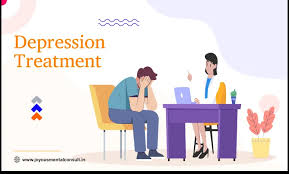
Depression Treatment APN Empower Individuals And Emotionally

Depression
APNs

Depression is more than just feeling sad; it is a complex mental health disorder characterized by persistent feelings of sadness, hopelessness, and loss of interest in activities once enjoyed. According to the World Health Organization (WHO), depression is the leading cause of disability globally, affecting people of all ages and backgrounds.

Understanding the Major Triggers of Depression Treatment Apn

One major reason for depression is when people go through tough times or face big challenges in life. These challenges can be anything from losing a loved one to going through a difficult breakup or losing a job. When these things happen, it can shake a person up emotionally and make them feel sad, hopeless, or worthless. Sometimes, these feelings stick around for a long time and turn into depression. It’s like a heavy cloud that hangs over them, making it hard to enjoy life or feel motivated.

 Depression Treatment APN

There are different kinds of depression, like feeling sad for a long time (major depressive disorder), feeling down most days (persistent depressive disorder), and sometimes feeling super high and then super low (bipolar disorder). We’re not sure what causes depression, but it’s usually a mix of stuff like genes you inherit, things happening in your body, stuff going on around you, and how you think and feel. When someone’s depressed, they might have trouble sleeping or eating, feel tired a lot, think they’re worthless, or even have thoughts about not wanting to be alive.

Role of Advanced Practice Nurses (APNs) in Depression Treatment Apn

APNs are super-skilled healthcare professionals who know a lot about mental health. They’re trained to figure out what’s going on with someone who’s feeling depressed and come up with a plan to help them feel better. They don’t do it alone though – they team up with the person who’s feeling down, their family, and other doctors to make a plan that’s just right for them.

Thorough Check-Up and Figuring Things Out: Understanding Assessment and Diagnosis

The initial phase of treating depression kicks off with a thorough assessment led by an APN. This process dives into the patient’s medical background, involves a physical check-up, and meticulously examines their symptoms. By following the diagnostic guidelines laid out in the Diagnostic and Statistical Manual of Mental Disorders (DSM-5), APNs can pinpoint depression accurately and distinguish it from other mental health issues.

Treatment Plans: Insights from Depression Treatment APNs

Treatment plans for depression are individualized to address each patient’s unique needs and preferences. APNs work closely with patients to develop holistic treatment plans that may include a combination of medication, psychotherapy, lifestyle modifications, and holistic approaches.

Navigating Medication Management for Depression

Antidepressant medications are commonly prescribed to manage depression symptoms. APNs have the authority to prescribe and monitor these medications, ensuring proper dosage and addressing any concerns or side effects. Regular follow-up appointments allow APNs to assess medication efficacy and make adjustments as needed.

Depression Treatment APN Empower Individuals And Emotionally

Exploring Psychotherapy and Counseling for Healing

Psychotherapy, also known as talk therapy, is an essential component of depression treatment. APNs are trained in various therapeutic modalities, such as cognitive-behavioral therapy (CBT) and interpersonal therapy, to help patients address negative thought patterns, develop coping skills, and improve interpersonal relationships.

Lifestyle Modifications

In addition to medication and therapy, lifestyle modifications play a crucial role in depression management. APNs educate patients about the importance of regular exercise, healthy eating habits, and adequate sleep hygiene in maintaining overall well-being.

Importance of Monitoring and Follow-Up Care

Regular monitoring and follow-up care are essential components of depression treatment. APNs track treatment progress, assess symptom severity, and provide ongoing support and encouragement to patients throughout their recovery journey.

Proactive Strategies for Mental Well-being

Getting help early and stopping depression before it starts is really important. APNs help by teaching people about mental health, showing them how to deal with stress, and being there for those who might start feeling down to prevent them from getting worse.

Building Support Systems and Accessing Resources

Building a strong support system is essential for individuals living with depression. APNs connect patients with support groups, peer networks, and community resources to provide emotional support and encouragement throughout their recovery journey.

Free From Depression

Conclusion

Depression can be tough, making it hard to do everyday things. But with the right help and people supporting you, it’s possible to get better. Advanced Practice Nurses are there to give you the support and treatment you need to feel like yourself again.