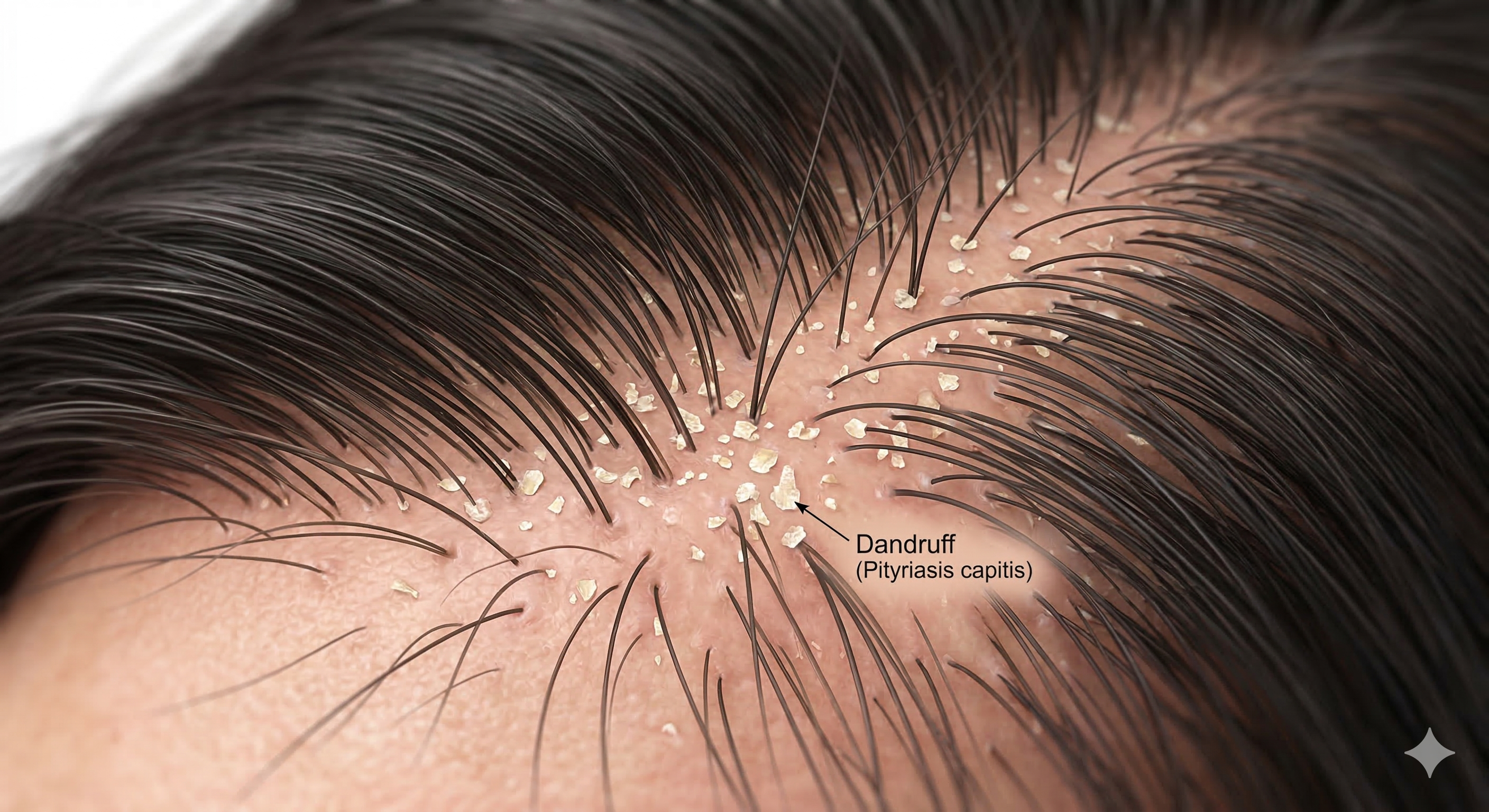

Dandruff is one of the most common scalp problems affecting millions of people worldwide. It appears as white flakes on the scalp and shoulders and is often accompanied by itching and irritation. Many people wonder whether dandruff can actually cause hair loss or if the two conditions are unrelated.
The truth is that dandruff itself does not directly cause permanent hair loss. However, severe dandruff can weaken the scalp environment and contribute to increased hair shedding. When the scalp becomes inflamed or irritated, hair follicles may become stressed, which can lead to temporary hair fall.
Understanding the relationship between dandruff and hair loss is important for maintaining healthy hair and scalp hygiene. In this article, we will explore the causes, treatments, and prevention tips for managing dandruff and reducing the risk of hair loss.
What Is Dandruff?
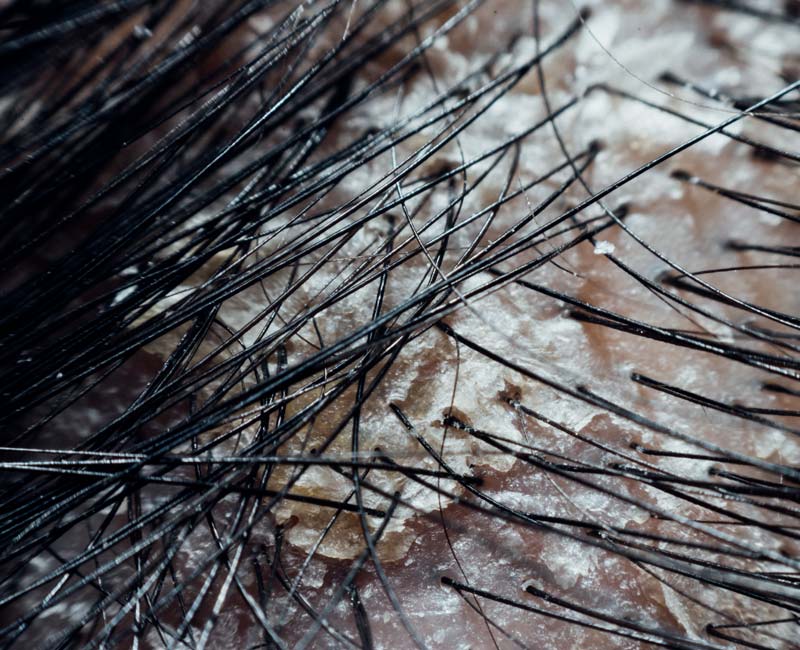
Dandruff is a common scalp condition characterized by flaking skin, itching, and irritation. It occurs when the scalp sheds dead skin cells more rapidly than usual.
Several factors can contribute to dandruff, including:
- Excess oil production on the scalp
- Fungal growth such as Malassezia
- Dry skin
- Sensitivity to hair care products
- Poor scalp hygiene
Although dandruff is usually harmless, persistent cases may require proper treatment to prevent complications like scalp irritation and hair shedding.
Can Dandruff Cause Hair Loss?
Dandruff does not directly damage hair follicles, but it can indirectly lead to hair loss. Severe dandruff can create an unhealthy scalp environment that affects hair growth.
Here are some ways dandruff may contribute to hair fall:
1. Excessive Scratching
Constant scratching due to itching can weaken hair roots and lead to hair breakage.
2. Scalp Inflammation
Inflammation caused by dandruff may affect the hair growth cycle.
3. Blocked Hair Follicles
Dead skin cells and oil buildup may clog hair follicles, affecting healthy hair growth.
4. Weak Hair Roots
An unhealthy scalp can weaken hair roots, leading to temporary hair thinning.
Common Causes of Dandruff
Understanding the root cause of dandruff helps in choosing the right treatment.
1. Dry Skin
Dry scalp often leads to small white flakes and itching.
2. Oily Scalp
Excess oil can create an environment where dandruff-causing fungi thrive.
3. Fungal Infection
A yeast-like fungus called Malassezia may trigger dandruff.
4. Hair Product Sensitivity
Certain shampoos, dyes, or styling products may irritate the scalp.
5. Poor Hair Hygiene
Not washing the hair regularly can allow oil and dead skin cells to accumulate.
Maintaining proper nutrition is essential for hair growth. Some people include protein supplements in their diet, and you can read more about it in How To Use Protein Powder for Weight Loss Female
Signs That Dandruff May Be Causing Hair Fall
Some symptoms that indicate dandruff may be affecting your hair include:
- Visible white flakes on hair and shoulders
- Persistent scalp itching
- Redness or irritation on the scalp
- Increased hair shedding while brushing or washing
If these symptoms continue for a long time, consulting a dermatologist is recommended.
Best Treatments for Dandruff and Hair Loss
Treating dandruff early can help prevent hair thinning.
1. Anti-Dandruff Shampoo
Use shampoos containing:
- Zinc pyrithione
- Ketoconazole
- Selenium sulfide
These ingredients help control fungal growth on the scalp.
2. Tea Tree Oil
Tea tree oil has antifungal properties that may help reduce dandruff.
3. Aloe Vera
Aloe vera soothes scalp irritation and may reduce inflammation.
4. Balanced Diet
Eating foods rich in vitamins and minerals supports scalp health.
Herbal supplements are also becoming popular for improving hair and skin health. For example, Ashwagandha Benefits for Skin may help reduce stress-related hair problems.
Home Remedies to Reduce Dandruff
Natural remedies may help manage mild dandruff.
Coconut Oil Massage
Coconut oil helps moisturize the scalp and reduce dryness.
Apple Cider Vinegar
Diluted apple cider vinegar may help balance scalp pH.
Lemon Juice
Lemon juice may reduce excess oil buildup on the scalp.
Natural remedies such as apple cider vinegar are often used to balance scalp pH and reduce dandruff. Some people also use natural health combinations like Apple Cider Vinegar and Cranberry Juice for overall wellness.
Tips to Prevent Dandruff and Hair Loss
Maintaining good scalp hygiene can reduce the risk of dandruff.
- Wash hair regularly with mild shampoo
- Avoid excessive hair styling products
- Maintain a healthy diet
- Manage stress levels
- Keep the scalp clean and moisturized
When to See a Doctor
You should seek medical advice if:
- Dandruff persists despite treatment
- Hair loss becomes excessive
- The scalp becomes red, swollen, or painful
A dermatologist can recommend specialized treatments for severe dandruff.
Conclusion
Dandruff is a common scalp condition that usually does not cause permanent hair loss. However, severe dandruff can create scalp irritation and inflammation that may lead to temporary hair shedding.
The good news is that dandruff can often be managed with proper scalp care, anti-dandruff shampoos, and healthy lifestyle habits. By maintaining good hygiene and addressing dandruff early, you can protect both your scalp and hair health.
If symptoms persist or hair loss becomes significant, seeking medical advice is the best step to ensure proper diagnosis and treatment.
A balanced diet also plays a crucial role in maintaining healthy hair. Nutrient deficiencies such as vitamin deficiencies may weaken hair follicles and contribute to hair thinning. You can learn more about this in our guide on Vitamin D Deficiency Symptoms.
Frequently Asked Questions
Can dandruff cause permanent hair loss?
No, dandruff usually causes temporary hair shedding rather than permanent hair loss.
How do I stop dandruff from causing hair fall?
Using anti-dandruff shampoos and maintaining good scalp hygiene can help reduce dandruff-related hair fall.
How often should I wash hair with dandruff?
Most dermatologists recommend washing hair 2–3 times per week using anti-dandruff shampoo.
Can dandruff grow back hair?
Treating dandruff can improve scalp health, which may support normal hair growth.
Author
Monali Singh is a health content researcher who writes about wellness, dental care, and nutrition. She focuses on simplifying complex health topics for everyday readers.